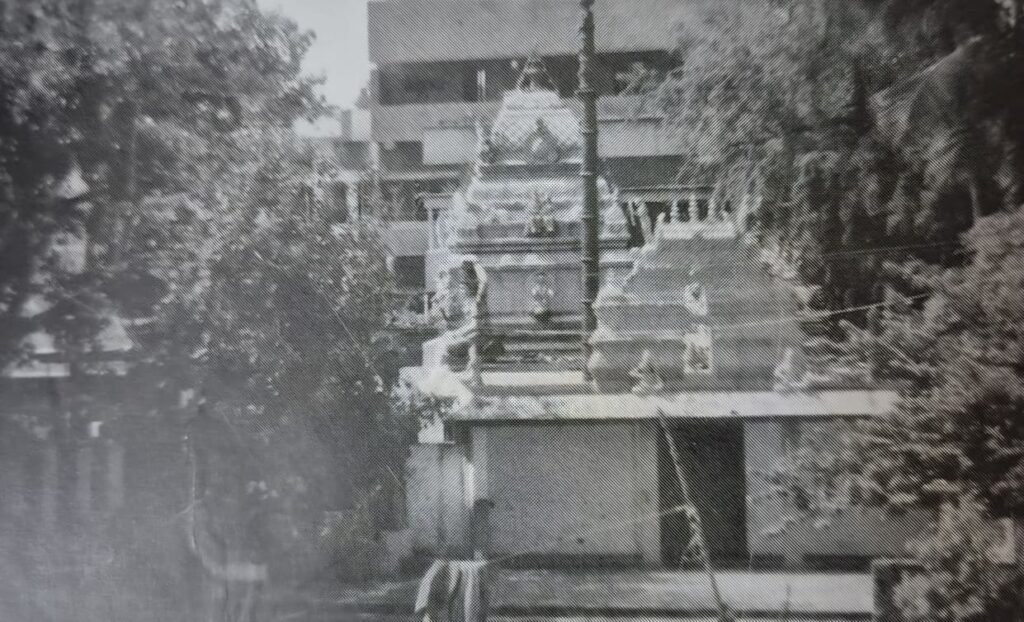
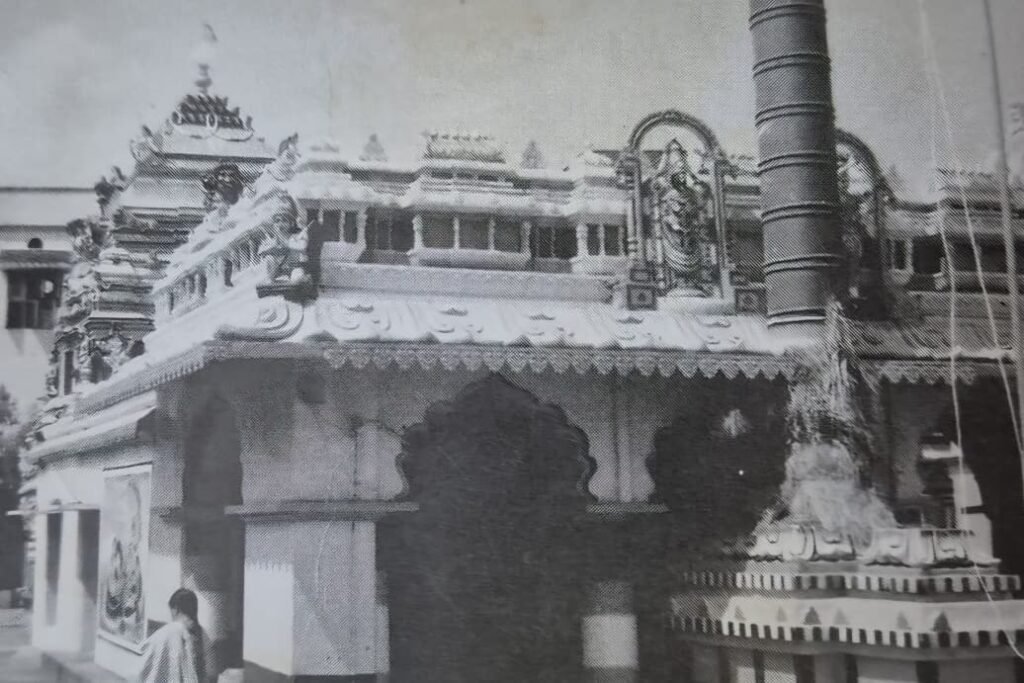
In the year 1881, a temple dedicated to Sri Venkanna (Sri Venkateswara Swamy) was established in Yanam. From that time onwards, it is believed that the regular rituals and worship practices began. In 1935, the temple underwent renovation. Since then, the grand celebration of the Rathotsavam (Chariot Festival) has been observed, marking the beginning of an important tradition in the temple’s history.
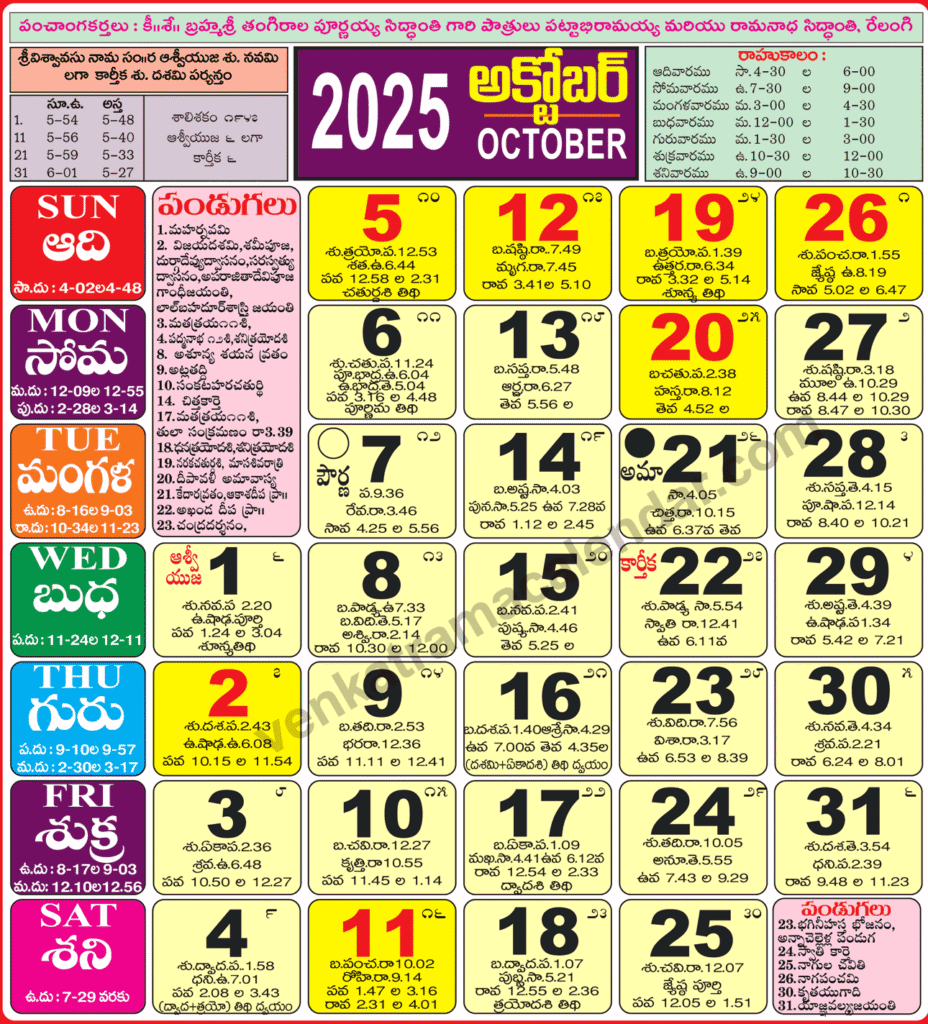
For a long time, every year from February 13th to March 2nd, the idol of Sri Venkateswara Swamy is adorned with new garments to celebrate the divine wedding anniversary according to the Brahminical tradition. During this festive period, several Vahanams (processional mounts) are celebrated with devotion and grandeur, such as:
Sarpa Vahanam
Sesha Vahanam
Pushpaka Vahanam
Ashwa Vahanam
Surya Vahanam
Gaja Vahanam
Panchamukha Anjaneya Vahanam
Simha Vahanam
Hamsa Vahanam
Garuda Vahanam and Dwajarohanam
Kalyanam
Ponna Vanam
Ponna Vanam and Rathotsavam
Chakra Teertham
Pushpa Yagam
Pavalimpu Seva
Koti Utsavams
The idol of Vaishnava Venkateswara Swamy is depicted with a moustache, hence the temple is also known as the “Meesala Venkanna Temple” (Temple of Venkanna with a Moustache).
For many years, the local people of Yanam used to offer “Chaddikoodu” (leftover food) to Lord Venkateswara before going out for hunting in the morning. Because of this practice, the temple was also popularly called “Chaldikoodu Venkanna Temple.”
Thus, devotees began offering the morning Naivedyam (sacred food offering) to the Lord, and He came to be affectionately known as Chaddikooti Venkanna.
From the time of the ancestors of the present-day priests, the idol of Venkateswara Swamy has been adorned with a moustache. The main idol itself bears a small moustache, which is why the deity continues to be revered as Meesala Venkanna.
According to Sri Samatham Krishnayya of Yanam, who wrote the article “Histoire de la Divinité Sri Venkateswara Swamy, Yanam” in 1954, the temple was built by the Reddy kings of the 11th century. He based this theory on the presence of a pit measuring 29 feet in length and 17 feet in width behind the idol, which might have been used to hide the deity during Muslim invasions. The Somasutram (water outlet) was built in the shape of a Makara (mythical sea creature), a style of construction that, according to Agama Shastras, was typically employed by Shudra kings.
He concluded that during the Muslim invasions of Hindu temples, the Shudra Reddy rulers between the 11th and 16th centuries may have built this temple.
Since neither French nor British records described Yanam as an ancient city, Krishnayya’s observations were considered highly credible. Instead, those colonial records referred to Yanam as a modern town, noting that before the arrival of the French, the region was covered by dense forests.